
SDGS 6: Clean Water and Sanitation
Strangulation Model for Urban Village Areas in South Tangerang City
This research aims to develop a model for improving the urban village areas in South Tangerang City, which are facing challenges due to limited space and infrastructure. The primary objective is to create a sustainable and liveable environment that ensures better sanitation and access to clean water for residents. By addressing these critical issues, the study directly supports SDG 6, which focuses on providing the availability and sustainable management of water and sanitation for all. This model will serve as a guide for urban planning and policy development, helping to enhance the quality of life in densely populated urban villages. The Impact of Original Regional Income (PAD) and Balancing Funds on Poverty in Batu City This study analyses the impact of Local Revenue (PAD) and balanced fund transfers on poverty levels in Batu City, Indonesia. It investigates how these financial resources influence access to essential services like clean water and sanitation. Given that adequate sanitation and water access are crucial for improving public health and reducing poverty, the research links these financial aspects to the city’s efforts in poverty alleviation. By exploring this relationship, the study contributes to SDG 6, which focuses on ensuring the availability and sustainable management of water and sanitation for all, ultimately aiming to reduce poverty in Batu City. Water Consumption per Person
Water Consumption Tracking: Universitas Terbuka has implemented water treatment machines designed to optimize water usage through a recycling system and wastewater treatment, reducing the consumption of fresh water and minimizing wastewater. With eco-friendly technology, these water treatment machines can filter and process water to be reused for campus operations.
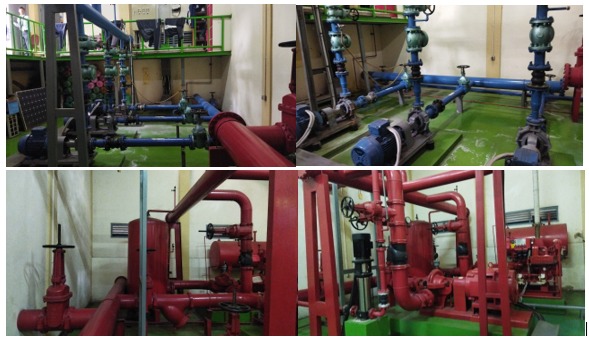
Water Usage and Care Wastewater treatment
Universitas Terbuka operates a laundry business unit that focuses on providing washing services and emphasizes a commitment to environmental sustainability. One of the concrete efforts made is the treatment of wastewater generated from laundry operations. The wastewater is processed optimally to conserve water resources and support hydrological functions in the surrounding environment. The treated wastewater is then reused to fill fishponds. The presence of fish in these ponds indicates that the treated water meets quality standards and complies with health requirements. Additionally, Universitas Terbuka ensures the continuous quality of the pond water through regular laboratory testing. Thus, this laundry business provides high-quality services and contributes to sustainable and environmentally friendly business practices.
Preventing water system pollution from polluted water
At the policy level, the university environment’s water utilization and usage control are regulated under Peraturan Rektor (Rector Regulation) No. 276 of 2024 about Green University.
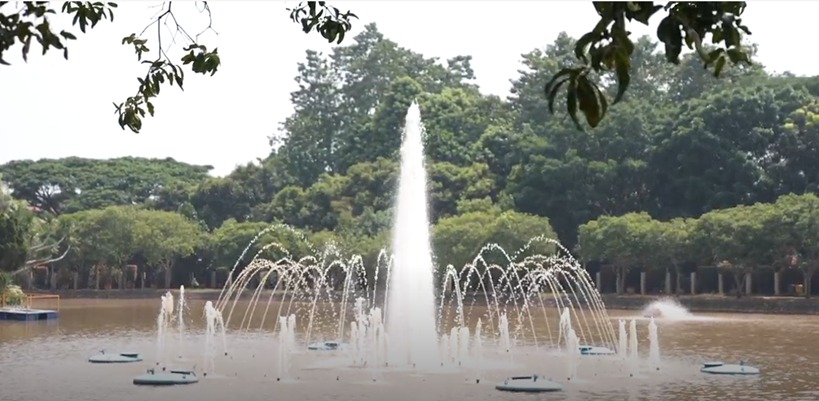
Recommendations are also conveyed through circular letters. Another method to mitigate water pollution is regular river and lake cleaning, pinwheel aerators, and using environmentally friendly materials such as eco-friendly soap in the pantry. The aerator in the UT lake serves several functions:
- to ensure sufficient oxygen supply for aquatic organisms such as fish and microorganisms,
- inhibit excessive algae growth,
- reduce dead zones (areas with low or no oxygen) and
- help reduce the risk of mass fish deaths due to oxygen deficiency, especially at night or during hot weather.
Regular monitoring, maintenance, and preservation of aquatic biota are carried out to protect the lake’s water quality from pollutants. Until now, the fish population has been well maintained in the lake.
Universitas Terbuka has two lakes: one large lake covering an area of 16,405 m2 and one smaller lake covering 643 m2. This lake serves as a flood reducer and stabilizes the water flow around the Universitas Terbuka environment. Several varieties of fish and animals are also found in the lake and surrounding environment. The preservation of the fauna is maintained by prohibiting hunting and fishing. In addition to its environmental benefits, the lake serves as a recreational facility for the academic community of Universitas Terbuka. Right in the middle of the lake, a gazebo can be used for various sports and meetings. Lake maintenance is done daily to clean it from organic waste, such as lakes and fallen branches.
Another water conservation practice is BioPore. BioPores make the soil on campus fertile, increase plant growth, and reduce standing water when it rains, preventing local flooding. UT’s paving blocks have an area of 29,732 m2. Paving blocks are used in parking lots to absorb water into the ground. Green space and forest vegetation is 66,546 m2, which covers almost 37% of the total UT area. This area serves to maintain the availability of groundwater and create a cool climate.
To support sustainability practices and resource efficiency, Universitas Terbuka has adopted sensor faucet technology at several sinks across the campus. Sensor faucets, which automatically release water only when needed, offer a solution to reduce water waste and enhance usage efficiency. This technology utilizes sensors that detect hand movements under the faucet, causing the water to stop flowing as soon as there is no activity. These faucets ensure water is used only as necessary, reducing the risk of unchecked water. For instance, if someone forgets to turn off a faucet manually, the sensor will automatically stop the flow, minimizing the potential for leaks and wastage. In addition, sensor faucets improve hygiene and health, especially in high-traffic environments like campuses. Students, faculty, and staff no longer need to touch the faucet, reducing the risk of spreading bacteria or viruses often found on frequently touched surfaces. This aligns with the university’s efforts to maintain better sanitation, particularly in the post-pandemic era.
Water-conscious planting
Universitas Terbuka utilizes lake water as the primary source for irrigating plants within the campus environment. The lake water is channeled through a network of pipes connected to an automatic watering system using sprinkler water. These sprinklers are installed at several strategic points around the campus to ensure an even and efficient water distribution
across all green areas. Using lake water as an irrigation source helps maintain the sustainability of the university’s gardens and landscape. It serves as a concrete step in supporting sustainability principles by reducing potable water consumption from public sources. Using the sprinkler water system, the irrigation process is carried out efficiently, on schedule, and optimally, fostering a green and healthy campus environment.
Water Re-Use
Universitas Terbuka runs a laundry service that prioritises environmental sustainability alongside its washing operations. A key initiative is the optimal treatment of wastewater produced during laundry processes. This treated water is recycled to maintain water resources and support local hydrological systems, and it’s also reused to fill fishponds. The fish in these ponds indicates that the water meets the required quality and health standards. Furthermore, the university regularly tests the pond water in laboratories to ensure its continuous quality. Hence, this laundry service delivers top-notch washing services and promotes sustainable and eco-friendly practices.
Off-campus water conservation support
Universitas Terbuka supports environmental sustainability by implementing various water management strategies, including rainwater infiltration. This infiltration process involves the absorption of rainwater into the soil to maintain the water cycle balance and reduce the negative impacts of surface runoff.
Through this initiative, the university plays an active role in addressing groundwater depletion and mitigating the risk of flooding within the campus and surrounding public areas.
6.2 Water consumption per person
Di Universitas Terbuka, penggunaan peralatan hemat air telah dipasang di semua gedung. Namun, peralatan yang digunakan masih berupa peralatan sederhana seperti toilet dengan flushing rendah dan keran air otomatis dengan sensor inframerah.
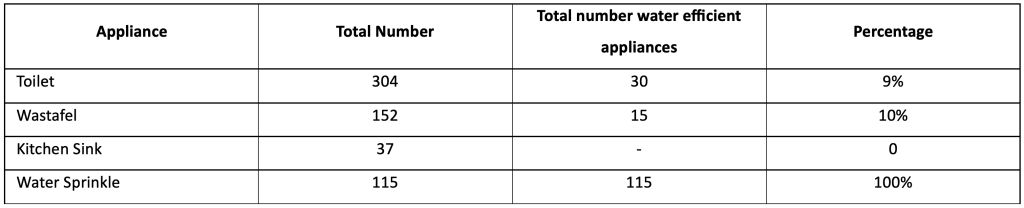
Pada tingkat kebijakan, Universitas Terbuka telah mengambil beberapa langkah dalam pengelolaan air, termasuk:
1. Kampanye penghematan air
2. Pemasangan instalasi air
3. Selama liburan panjang, air dan listrik di hampir semua gedung dimatikan.
Universitas Terbuka memiliki dua sumber air minum yang diolah dari air tanah yang terletak di Taman Kuliner. Taman Kuliner ini ramai dikunjungi oleh staf setiap hari untuk beristirahat. Di masa depan, direncanakan untuk memproduksi 1 sumber air minum yang diolah di setiap unit.
Di Universitas Terbuka, penggunaan peralatan hemat air telah dipasang di semua gedung. Namun, peralatan yang digunakan masih berupa peralatan sederhana seperti toilet dengan flushing rendah dan keran air otomatis dengan sensor inframerah.
Pada tingkat kebijakan, Universitas Terbuka telah mengambil beberapa langkah dalam pengelolaan air, termasuk:
1. Kampanye penghematan air
2. Pemasangan instalasi air
3. Selama liburan panjang, air dan listrik di hampir semua gedung dimatikan.
Universitas Terbuka memiliki dua sumber air minum yang diolah dari air tanah yang terletak di Taman Kuliner. Taman Kuliner ini ramai dikunjungi oleh staf setiap hari untuk beristirahat. Di masa depan, direncanakan untuk memproduksi 1 sumber air minum yang diolah di setiap unit.
6.3 Water usage and care
UT Semakin Mantap Menuju Green University: Komitmen Berkelanjutan untuk Kampus Ramah Lingkungan dan Inklusif
TBA
Targets to admit students from the bottom two financial deciles
TBA
Targets to admit students from the bottom two financial deciles
TBA
Targets to admit students from the bottom two financial deciles
TBA
11 Juli 2024
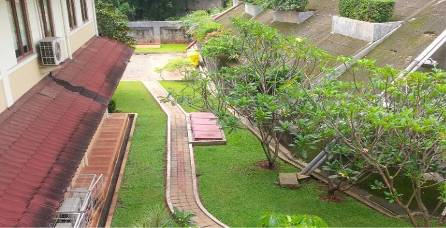
Sejak 2010, Universitas Terbuka (UT) telah berkomitmen untuk berkontribusi dalam dalam mengatasi permasalahan lingkungan melalui gerakan UT Go Green. Berbagai program telah dilaksanakan di UT Pusat maupun di UT Daerah, termasuk pengurangan penggunaan kertas, penanaman pohon langka, pembangunan danau buatan, pengelolaan sampah, pembuatan biopori, penggunaan energi baru terbarukan, dan pengembangan eco building. gatasi permasalahan lingkungan melalui gerakan UT Go Green. Program UT Go Green bertujuan untuk meningkatkan kesadaran serta kepedulian pegawai dan mahasiswa untuk turut berpartisipasi dan bertanggung jawab dalam pelestarian dan penyelamatan lingkungan hidup dengan mengurangi penyebab kerusakan lingkungan. Melalui komitmen yang kuat dan kolaborasi dengan berbagai pihak, UT sebagai kampus besar dengan 550 ribu lebih mahasiswa dapat mewujudkan kampus yang lebih hijau dan berkelanjutan.
6.4 Water reuse
5 Januari 2024
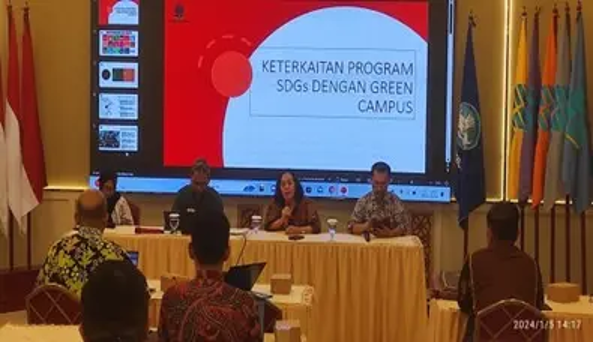
Pada hari Jumat, 5 Januari 2024 dilaksanakan kegiatan sharing dan diskusi terkait UTGU dan pencapaian SDGs UT yang dihadiri oleh Wakil Rektor Bidang Riset, Inovasi, Kerjasama dan Bisnis UT, Sekretaris Majelis Wali Amanat UT, Ketua dan Sekretaris LPPM UT, Kepala Pusat Pengabdian kepada Masyarakat UT, Kepala Pusat Penelitian dan Keilmuan, Pusat Riset dan Inovasi PTJJ UT, dan seluruh tim UTGU. Kegiatan ini untuk mendorong agar peran UTGU semakin terintegrasi dan dapat mencakup banyak indikator Goals SDGs lagi ke depannya.
Melalui program UTGU, UT aktif terlibat dalam upaya perlindungan dan pemeliharaan lingkungan alam, pengelolaan sumber daya, dan mitigasi perubahan iklim. Salah satu langkah konkret yang dilakukan oleh UT adalah pengembangan kebijakan dan praktik pengelolaan limbah yang efektif dan berkelanjutan. UT memastikan bahwa pengelolaan limbah di Kantor UT Pusat dan UT Daerah dilakukan dengan mematuhi standar lingkungan yang ketat, serta mengadopsi prinsip-prinsip daur ulang dan pembuangan yang aman.
06 Januari 2024
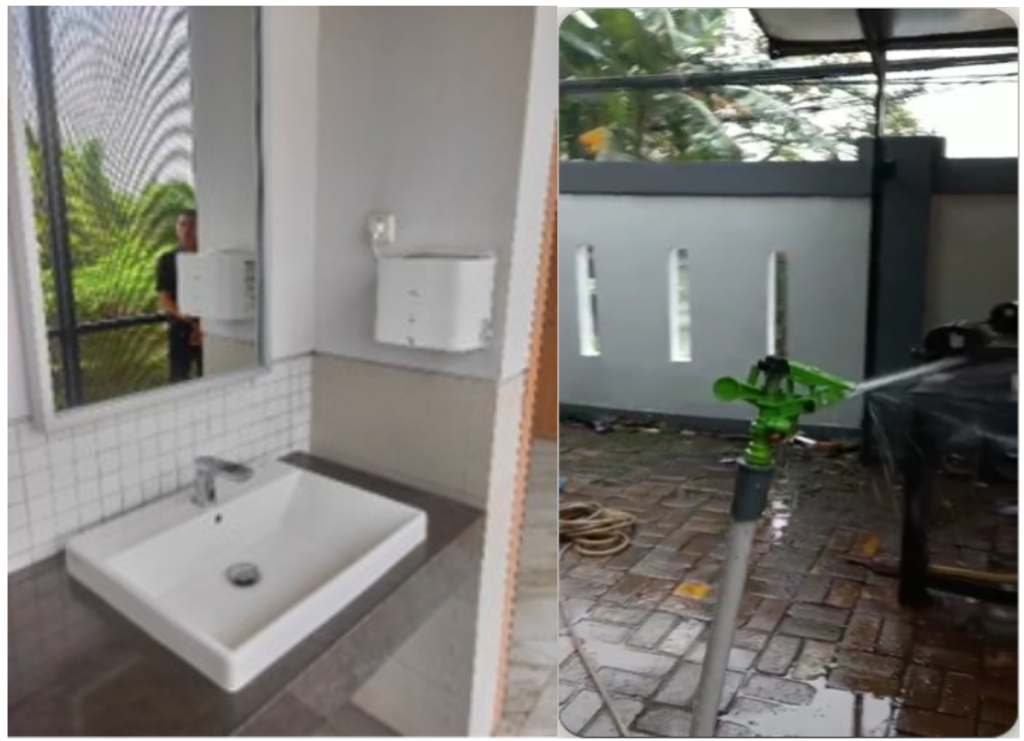
Universitas Terbuka (UT) telah mengaplikasikan beberapa penggunaan peralatan hemat air (toilet, wastafel, bak cuci piring, penyiram air) yang telah dipasang di semua gedung. Namun, peralatan yang digunakan masih berupa peralatan sederhana seperti toilet dengan flushing rendah dan keran air otomatis dengan sensor Infra Red. UT telah mengambil beberapa langkah untuk mengurangi pencemaran air yaitu pembersihan sungai dan danau secara rutin, penggunaan aerator kipas, penggunaan bahan ramah lingkungan seperti sabun ramah lingkungan di dapur.
Untuk menjaga kualitas air danau dari polutan, pemantauan rutin, pemeliharaan, dan pelestarian biota air juga dilakukan. Hingga saat ini, populasi ikan di danau tetap terjaga dengan baik.
6.5 Water in the community
20 Juni 2024
Kegiatan PkM yang dilaksanakan oleh FKIP dengan merevitalisasi Mata Air Kobak Nyamplung Berbasis Swakelola Komunitas. Inisiatif ini bertujuan untuk meningkatkan kelestarian lingkungan dengan menggali potensi sumber daya air setempat dan melibatkan masyarakat secara aktif dalam pengelolaannya. Dimana masyarakat juga mempelajari bagaimana pengelolaan air pada ingkungan mereka.
06 Januari 2024

Kantor UT Pusat memiliki danau buatan seluas 2,5 Ha yang berfungsi untuk konservasi air dan menerapkan eco drainage, yang merupakan drainase ramah lingkungan (drainase inkonvensional).Danau ini berfungsi sebagai pengurang banjir dan menstabilkan aliran air di sekitar lingkungan Universitas Terbuka, berbagai jenis ikan dan hewan juga ditemukan di danau dan lingkungan sekitarnya. Pelestarian fauna dijaga dengan melarang perburuan dan penangkapan ikan. Selain manfaat lingkungannya, danau ini berfungsi sebagai fasilitas rekreasi bagi komunitas akademik Universitas Terbuka. Di tengah danau, terdapat gazebo yang dapat digunakan untuk berbagai kegiatan seperti olahraga dan pertemuan. Pemeliharaan danau dilakukan setiap hari untuk membersihkannya dari limbah organik seperti daun dan cabang yang jatuh. Praktik konservasi air lainnya adalah BioPore. BioPore membuat tanah di kampus menjadi subur, meningkatkan pertumbuhan tanaman, dan mengurangi genangan air saat hujan, mencegah kemungkinan banjir lokal.
06 Januari 2024
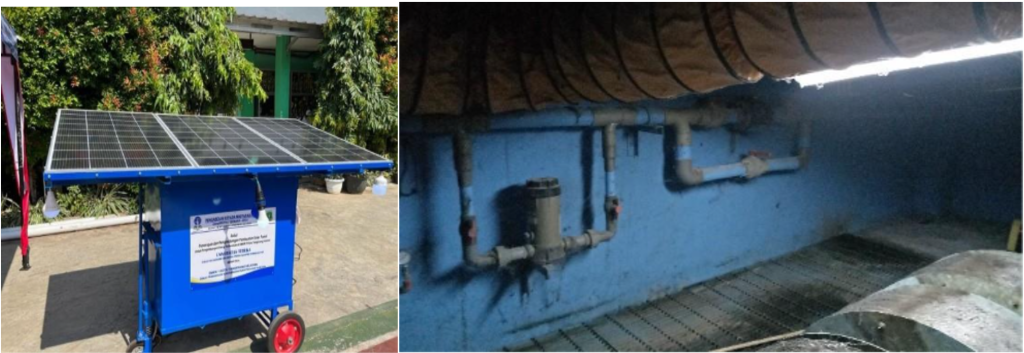
UT memastikan bahwa pengelolaan limbah di Kantor UT Pusat dan UT Daerah dilakukan dengan mematuhi standar lingkungan yang ketat, serta mengadopsi prinsip-prinsip daur ulang dan pembuangan yang aman.
Selain itu, UT uga mengedepankan kesadaran energi hijau dengan mengembangkan inisiatif penghematan energi. Kantor UT Pusat dilengkapi dengan teknologi terkini yang efisien dalam penggunaan energi, seperti menggunakan sistem pencahayaan hemat energi dan panel surya untuk memanfaatkan energi matahari. Hal ini membantu mengurangi jejak karbon universitas dan mempromosikan penggunaan energi terbarukan. Untuk menjaga menjaga ekosistem daratan, danau UT dibuat dan difungsikan untuk menyimpan air resapan untuk menghindari kekeringan saat musim kemarau dan juga banjir saat musim hujan.
31 Desember 2024
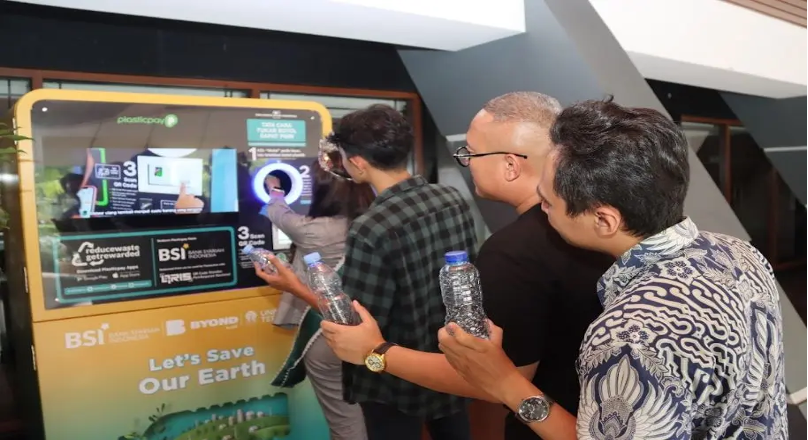
Keran Air Siap Minum (KASM) tidak hanya bermanfaat bagi pegawai di lingkungan Pegawai UT Pusat Pondok Cabe. Inisiatif ini juga menjadi langkah awal menuju penyediaan air minum langsung dari keran, sebagaimana diamanatkan dalam Peraturan Pemerintah (PP) No. 16 Tahun 2005 tentang Pengembangan Sistem Penyediaan Air Minum.