
SDGS 2 : Zero Hunger
Campus Food Waste Tracking
Universitas Terbuka (UT) is deeply committed to reducing food waste across its campus environment, reflecting its dedication to sustainability and environmental responsibility. To achieve this goal, UT has implemented comprehensive policies requiring every campus unit to manage and meticulously track their waste production, ensuring that all activities align with environmental standards.
UT has introduced a structured waste separation system, emphasizing the sorting of garbage into recyclable and non-recyclable categories. This commitment not only fosters awareness but also empowers the entire campus community to actively participate in waste reduction efforts, reinforcing UT’s role as a responsible educational institution that values environmental stewardship.
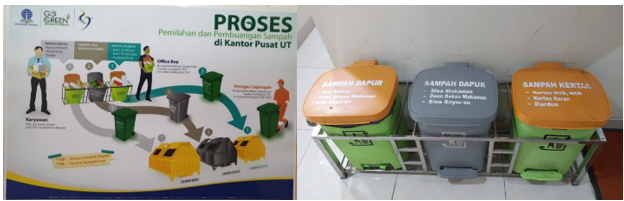
Waste Management Process in Universitas Terbuka
UT has implemented 3R (reduce, reuse, and recycle) program for the university’s waste, where from 272 tons organic waste produced, around 250 tons of the organic waste treated. Organic waste treatment has been conducted extensively, by processing the organic waste produced into compost.
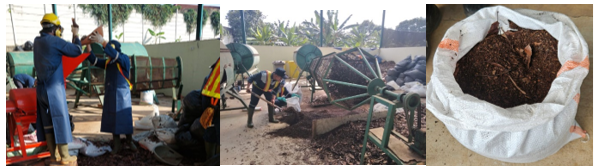
Organic Waste Processing from Waste to Compost
Furthermore, to reduce paper and plastic consumption, UT also issued a Circular Letter regarding the efficient use of paper, reducing paper and plastic waste in the UT environment, encouraging the use of drinking water containers/bottles (tumblers) and beverage containers (pitchers) to all academicians as a substitute for bottled mineral water (bottles and glasses) in all UT activities and increasing the use of Office Automation (OA) in office administration.
Universitas Terbuka is dedicated to environmental protection and sustainability, aiming to become a Green University. Since launching the UT Go Green movement in 2010, UT has encouraged its academic community to adopt environmentally friendly behaviors, fostering a love for and commitment to maintaining the earth’s sustainability. Various initiatives under the UT Go Green movement include reducing paper usage through a paperless approach, planting rare trees on campus, creating artificial lakes, developing eco-friendly buildings, and implementing effective waste management practices. Information about the UT Go Green campaign is shared in the following article.
Proportion of graduates in agriculture and aquaculture including sustainability aspects
Universitas Terbuka offers a comprehensive array of programs dedicated to advancing food sustainability. Our accredited undergraduate programs include Agribusiness, Food Technology, and Biology, alongside accredited postgraduate programs in Marine and Fisheries. In 2022, the university graduated 715 students from these programs. This number increased to 769 graduates in 2023, reflecting a commendable growth of approximately 7.5%. This achievement underscores the commitment to providing quality education and preparing skilled professionals in the critical field of food sustainability. In 2023, Universitas Terbuka graduated 77,857 students, with only 1% in agriculture and aquaculture.
In the history of the establishment of Universitas Terbuka, the university received a mandate from the government to facilitate teachers’ continuing their higher education to the undergraduate level. Most of the students come from the Faculty of Teaching and Education because only Universitas Terbuka can accommodate the needs of teachers in Indonesia who wish to continue their studies without leaving their jobs. Additionally, the learning method utilized by UT focuses on distance learning, which makes it easier to offer non-exact study programs through this approach.
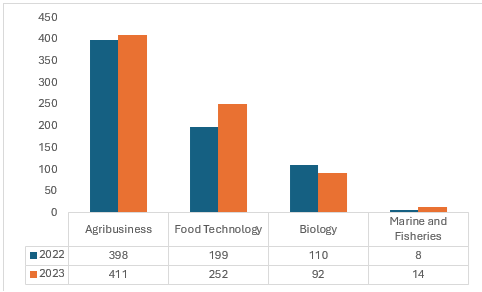
Figure Numbers of graduates in agriculture and aquaculture from Universitas Terbuka
Figure Numbers of graduates in agriculture and aquaculture from Universitas Terbuka
National hunger
Food Security Seminar
Food security has been identified as one of the key goals in the 2030 Sustainable Development Goals (SDGs), which includes eradicating hunger, improving nutrition, and developing sustainable agriculture. To support the achievement of SDG 2, the Agribusiness Study Program of the Faculty of Science and Technology of Universitas Terbuka (UT) has pursued a series of educational activities that discuss food security and the impact of climate change on national food production. One of these activities was realized through the National Agribusiness Webinar Series 5 with the theme “Climate Change Issues in Realizing Food Security,” which was held in a hybrid manner on June 27, 2023. The webinar was attended by agribusiness experts such as Prof. Dr. Ir. Yoni Koesmaryono, M.S., and Dr. Ir. Sugiyono Madelan, M.Si., who gave presentations on innovation and adaptation in the face of climate change.
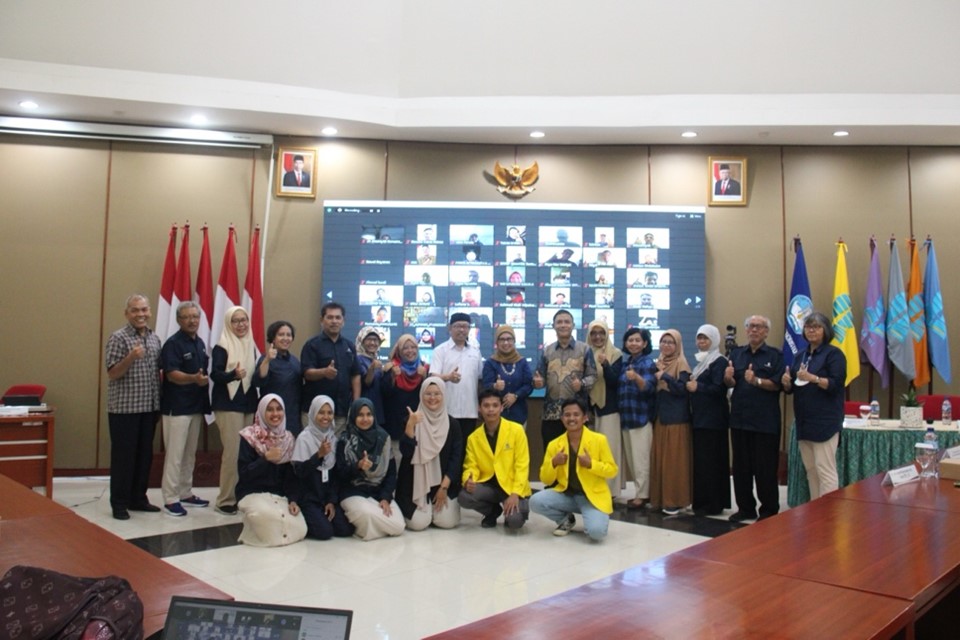
In this webinar, Prof. Yoni Koesmaryono conveyed the importance of an optimistic and innovative attitude to face the challenges of climate change on food security. At the same time, Dr. Sugiyono Madelan encouraged the younger generation to support sustainable food security actively. Through this activity, UT’s commitment to supporting SDG 2 is emphasized by providing strategic insights to the community and preparing a generation capable of facing food security challenges while supporting the welfare and sustainability of the national food supply.
Food Safety Course
The Food Safety course at Universitas Terbuka is designed to provide in-depth knowledge of food safety standards and practices, covering all stages from raw material handling to processing, storage, packaging, and preparation of food products. The course encompasses ensuring food quality and safety for ready-to-process and market-ready products. Focusing on applying theoretical principles within industry practices, this course equips Food Technology students with the essential knowledge to understand and implement food safety principles across various production and distribution stages.
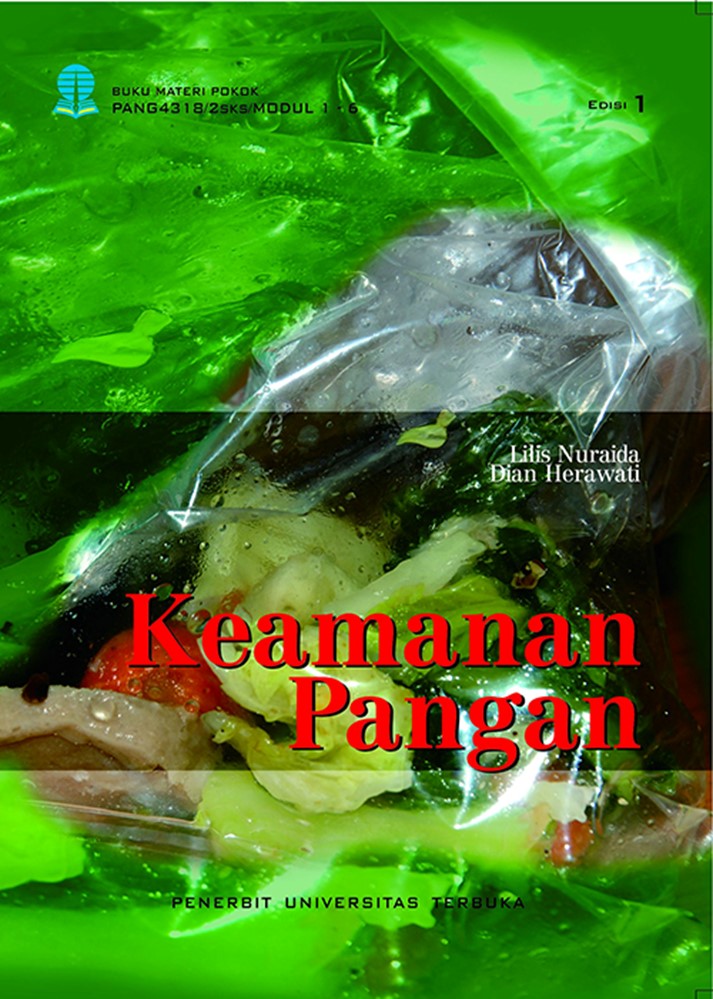
This educational initiative reflects Universitas Terbuka’s commitment to supporting Sustainable Development Goal (SDG) 2, Zero Hunger, by preparing graduates who can contribute to providing safe, nutritious, and quality food for communities. Through structured and evidence-based instruction, UT actively ensures that students develop a solid understanding of the importance of food safety in supporting long-term food security and the sustainability of the national food sector.
Community Services
Universitas Terbuka (UT) facilitates student entrepreneurship-focused Community Service (PkM) programs as part of its efforts to support local food accessibility and empower the community’s economy within the culinary sector. This initiative centers on providing affordable, nutritious food for the community while offering training to small business owners to develop food preparation and marketing skills. Through this PkM program, students gain practical experience that can be applied to strengthen local food security and improve the community’s economic resilience.
This initiative reflects Universitas Terbuka’s commitment to supporting Sustainable Development Goal (SDG) 2, Zero Hunger, by preparing students who can make meaningful contributions to enhancing food access in the community. The program also highlights UT’s role in linking education with societal needs through activities that foster food and economic self-sufficiency.
2.2 Campus food waste
Isikan Judul Berita
Tanggal
Isi Konten Berita

Isikan Judul Berita
Tanggal
Isi Konten Berita
2.3 Student Hunger

Tanggal: 25 Juni 2024
Universitas Terbuka (UT) turut serta dalam program Membangun Desa melalui kegiatan Merdeka Belajar Kampus Merdeka (MBKM), dengan lima fokus utama yang salah satunya adalah Zero News Stunting dan Literasi Masyarakat Miskin Ekstrim. Kegiatan ini secara langsung mendukung pencapaian SDG-2: Tanpa Kelaparan, dengan tujuan meningkatkan kesejahteraan masyarakat desa melalui edukasi gizi, peningkatan literasi, dan intervensi sosial yang terarah.
Melalui keterlibatan mahasiswa, UT mendorong penyebaran informasi yang akurat dan mudah dipahami tentang pentingnya asupan gizi seimbang, pola makan sehat, serta akses terhadap pangan bergizi. Program ini juga mengedukasi masyarakat tentang dampak stunting terhadap tumbuh kembang anak dan masa depan generasi muda. Di sisi lain, literasi bagi masyarakat miskin ekstrem menjadi langkah strategis dalam membangun kesadaran akan hak-hak dasar, akses layanan sosial, dan peluang ekonomi yang lebih baik.
Dengan pendekatan berbasis komunitas dan kolaborasi lintas sektor, UT memperkuat peran pendidikan tinggi dalam pembangunan desa yang inklusif dan berkelanjutan, sekaligus menjadi bagian aktif dalam upaya nasional menghapus kelaparan dan kemiskinan ekstrem.
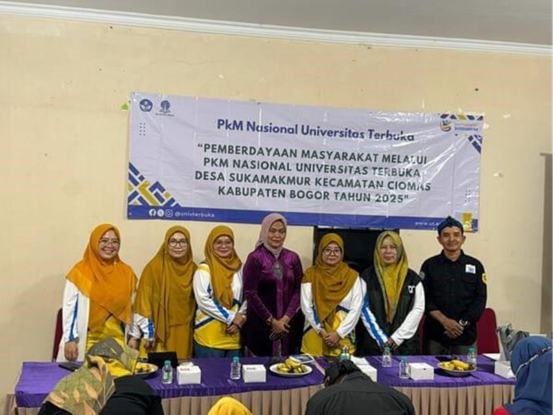
Tanggal: 26 Juni 2025
Kegiatan Program Pengabdian kepada Masyarakat (PkM) 2025 Universitas Terbuka di Desa Sukamakmur, Kabupaten Bogor, berkontribusi langsung terhadap SDG 2: Tanpa Kelaparan (Zero Hunger) melalui pengembangan sistem pertanian hidroponik dan pengolahan pangan berbasis bahan pangan lokal. Inisiatif ini mendorong kemandirian pangan dan peningkatan produktivitas pertanian berkelanjutan di tingkat desa. Selain itu, kolaborasi lintas fakultas juga memperkuat kapasitas masyarakat dalam mengelola sumber daya alam dan mengembangkan produk lokal unggulan, seperti air minum kemasan hasil pengelolaan Bumdes, yang secara keseluruhan mendukung ketahanan pangan, kesejahteraan ekonomi, dan pembangunan desa berkelanjutan.
Isikan Judul Berita
Tanggal
Isi Konten Berita
2.4 Proportion of graduates in agriculture and aquaculture including sustainability aspects
Isikan Judul Berita
Tanggal
Isi Konten Berita
Isikan Judul Berita
Tanggal
Isi Konten Berita
2.5 National Hunger
Tanggal: 15 Juni 2024
Peluncuran buku ajar “Pangan Tradisional” hasil kolaborasi antara Program Studi Teknologi Pangan Universitas Terbuka dan Universitas Diponegoro mendukung pencapaian SDG 2: Tanpa Kelaparan (Zero Hunger) melalui penguatan ketahanan pangan berbasis kearifan lokal. Buku ini memperkenalkan keanekaragaman dan potensi pangan tradisional Indonesia, mendorong inovasi produk pangan bernilai tambah, serta memperkuat pendidikan dan riset di bidang teknologi pangan berkelanjutan yang berkontribusi pada sistem pangan tangguh dan gizi seimbang bagi masyarakat.
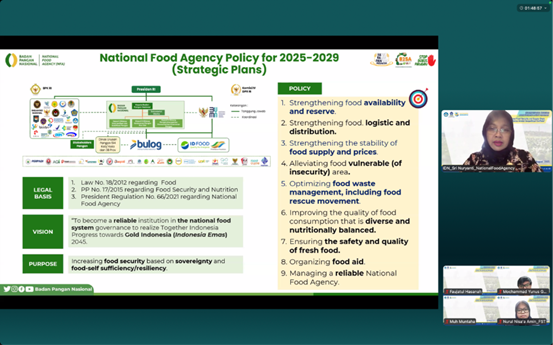
Tanggal: 22 September 2025
Kegiatan Webinar Internasional bertajuk “Global Food Security and Supply Chain Resilience Amidst Geopolitical Conflicts” yang diselenggarakan oleh Program Studi Agribisnis FST Universitas Terbuka pada 28 Agustus 2025 berkontribusi langsung terhadap SDG 2: Tanpa Kelaparan (Zero Hunger). Melalui diskusi bersama pakar dari Universitas Putra Malaysia dan Badan Pangan Nasional, kegiatan ini memperkuat pemahaman global tentang ketahanan pangan, diversifikasi sumber pangan, serta strategi rantai pasok yang tangguh di tengah konflik geopolitik. Webinar ini sekaligus mendorong kolaborasi internasional dan pengembangan kebijakan berkelanjutan untuk memastikan akses pangan yang aman, terjangkau, dan berkelanjutan bagi masyarakat.
Tanggal: 23 Agustus 2024
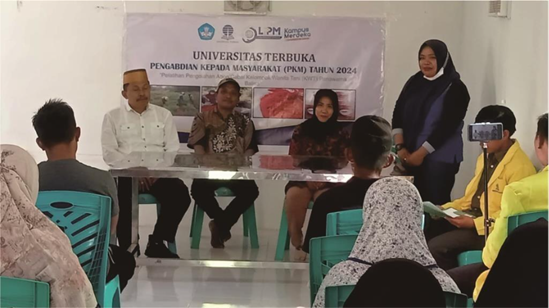
Kegiatan Pengabdian kepada Masyarakat (PkM) oleh dosen Program Studi Agribisnis FST Universitas Terbuka Majene bersama Universitas Al Asyariah Mandar dan Universitas Sulawesi Barat yang melatih Kelompok Wanita Tani Panawar Balisa dalam pengolahan abon cabai berkontribusi nyata terhadap SDG 2: Tanpa Kelaparan (Zero Hunger). Melalui pelatihan ini, petani dan anggota KWT didorong untuk meningkatkan ketahanan pangan dan kemandirian ekonomi lokal dengan mengolah hasil pertanian menjadi produk bernilai tambah. Kegiatan ini tidak hanya memperkuat kapasitas masyarakat dalam pengolahan pangan, tetapi juga mendukung sistem pertanian berkelanjutan dan pemberdayaan perempuan tani sebagai bagian dari upaya mencapai ketahanan pangan di tingkat rumah tangga dan komunitas Agustus 2025 berkontribusi langsung terhadap SDG 2: Tanpa Kelaparan (Zero Hunger). Melalui diskusi bersama pakar dari Universitas Putra Malaysia dan Badan Pangan Nasional, kegiatan ini memperkuat pemahaman global tentang ketahanan pangan, diversifikasi sumber pangan, serta strategi rantai pasok yang tangguh di tengah konflik geopolitik. Webinar ini sekaligus mendorong kolaborasi internasional dan pengembangan kebijakan berkelanjutan untuk memastikan akses pangan yang aman, terjangkau, dan berkelanjutan bagi masyarakat.
Tanggal: 28 Agustus 2024
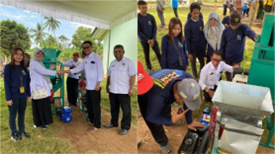
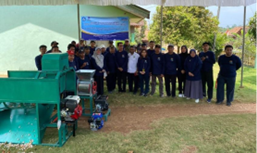
Kegiatan Pengabdian kepada Masyarakat (PkM) Universitas Terbuka Lampung di Desa Surya Mataram, Lampung Timur, yang berfokus pada pelatihan penggunaan mesin pengupas buah dan biji kakao bagi kelompok tani, memiliki kontribusi langsung terhadap SDG 2: Tanpa Kelaparan (Zero Hunger). Melalui pelatihan ini, para petani dibekali keterampilan dan teknologi tepat guna untuk meningkatkan produktivitas dan nilai tambah hasil pertanian, khususnya komoditas kakao. Kegiatan ini mendorong terwujudnya ketahanan pangan dan kesejahteraan petani melalui pemanfaatan inovasi dan peningkatan efisiensi dalam rantai pasok pertanian, sehingga memperkuat sistem pangan berkelanjutan di tingkat lokal
Tanggal: 15 September 2025
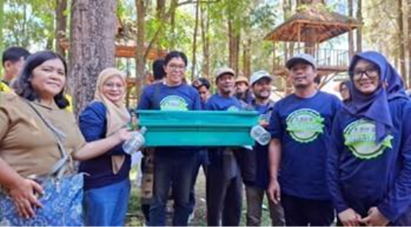
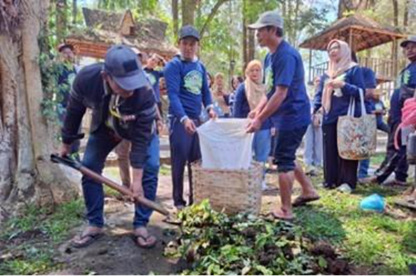
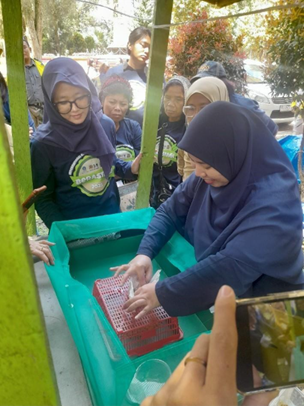
Kegiatan Pengabdian kepada Masyarakat (PkM) internasional yang dilaksanakan oleh Fakultas Sains dan Teknologi Universitas Terbuka bekerja sama dengan Universitas Sumatera Utara dan Universiti Sains Malaysia di Pasar Buah Berastagi berkontribusi langsung terhadap SDG 2: Tanpa Kelaparan (Zero Hunger). Melalui pelatihan pembuatan kompos, pupuk cair, dan budidaya maggot dari limbah buah, sayur, dan kotoran kuda, kegiatan ini mendukung pertanian berkelanjutan dan peningkatan produktivitas pangan lokal. Selain itu, pemberdayaan kewirausahaan UMKM berbasis hasil olahan limbah turut memperkuat ketahanan pangan dan ekonomi masyarakat, sekaligus menjaga lingkungan yang bersih dan sehat sebagai bagian dari sistem pangan yang berkelanjutan di wilayah wisata pertanian Berastagi.
Isikan Judul Berita
Tanggal
Isi Konten Berita
Isikan Judul Berita
Tanggal
Isi Konten Berita